
Home staging is the strategic process of preparing a property for sale by re-arranging furniture, décor, and accessories to make it appealing to the widest possible range of buyers.
Rather than personal decoration, home staging is a marketing strategy designed to help buyers visualise themselves living in the space, creating an emotional connection that can lead to faster, profitable sales and higher prices.
Effective home staging focuses on presenting a home as clean, clutter-free, neutral, and move-in ready. By highlighting a property’s best features, minimising visual distractions, and optimising layout and lighting, staging transforms a house into an aspirational lifestyle that buyers want to purchase.
In today’s competitive real estate market, home staging plays a critical role not only during inspections but also in online listings, photography, and buyer perception from the very first impression.
Why Home Staging Matters When Selling a Home
Buyer Psychology and Emotional Decision-Making
Buying a home is rarely a purely logical decision. While buyers may reference price, location, or features within the broader real estate market, emotion often drives the final choice. Many real estate agents recommend home staging as part of a broader sales strategy, as they understand how presentation influences buyer behaviour and decision-making in competitive markets.
Home staging taps into this psychology by creating spaces that feel welcoming, balanced, and easy for potential buyers envision living in.
This strategic approach for property presentation helps a home feel aspirational rather than transactional.
By removing clutter, personal items such as family photos, and awkward layouts, staging eliminates distractions that pull focus away from the property’s strengths.
Instead of seeing problems, buyers are encouraged to picture their future lifestyle in the space, increasing emotional connection and motivation to act.
This emotional connection often makes all the difference when buyers are deciding whether to proceed.
First Impressions in Online Listings and Inspections
Most buyers encounter a property for the first time online. This first impression is shaped by listing photos, which heavily influence whether prospective buyers click, enquire, or book an inspection.
Enhancing visual balance and cohesion, staging makes the home appealing from the very first glance, increasing the likelihood that buyers will engage with the listing rather than scroll past.
Home staging improves photography by adding scale, warmth, and visual clarity, allowing the property stand out in a competitive real estate environment.
A well-staged home appears brighter, more spacious, and more cohesive, strengthening the property’s appeal and helping staged homes attract stronger engagement online. This visual clarity plays a direct role in driving faster enquiries and faster sales.
That strong first impression carries through to inspections. A staged property feels intentional and move-in ready from the moment buyers walk in.
Clearly defined rooms, thoughtful layouts, and inviting styling help buyers immediately understand how the home can be used, improving confidence and reducing hesitation.
How Staging Reduces Buyer Uncertainty
Buyer hesitation often comes from uncertainty. If buyers struggle to visualise how a space works or feel a property may require significant effort, time on the market increases and interest drops.
Addressing minor repairs, such as chipped paint, loose handles, or squeaky doors, further reduces buyer uncertainty and reinforces the impression that the home has been well cared for.
The home staging process addresses this by showing how rooms can be furnished, how spaces flow, and how the home supports everyday living. Strategic furniture arrangement and subtle decorative elements demonstrate functionality without overwhelming the space.
A clean, neutral, well-maintained property feels easier to step into, lowers perceived risk, and shortens decision-making time.
When buyers feel confident, they are more likely to make stronger offers sooner, often resulting in a better sale price.
Key Elements of Effective Home Staging
Decluttering and Deep Cleaning
Decluttering creates space and clarity. Removing personal belongings, excess furniture, and visual noise allows buyers to focus on the property rather than the occupants.
This includes packing away personal items and reducing visual clutter that distracts from the home itself. Packing away your own belongings allows buyers to focus on the space itself, rather than being distracted by the current occupants or their lifestyle.
Deep cleaning reinforces this effect. Clean floors, windows, kitchens, and bathrooms signal that the home is well maintained, increasing perceived value and reinforcing a move-in-ready impression that supports a higher final sale price.
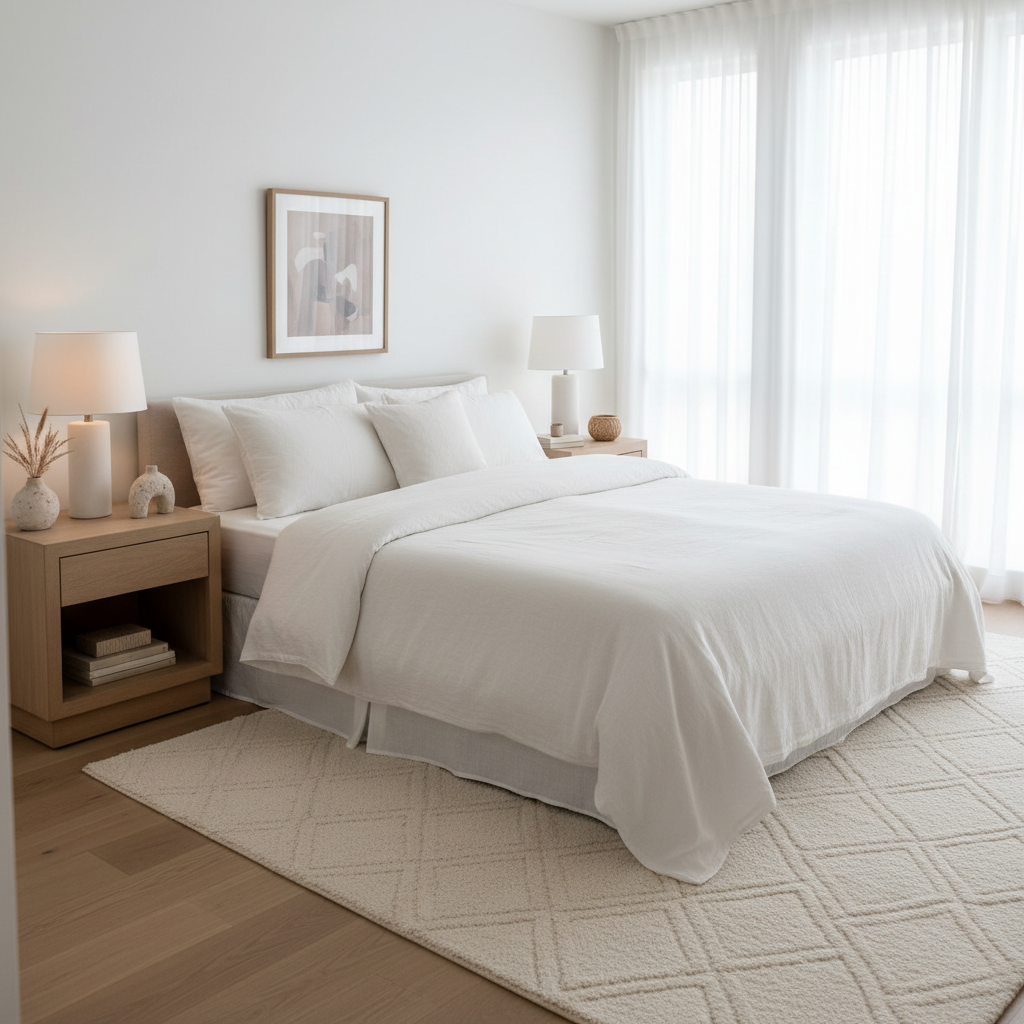
Neutralising Spaces for Broad Buyer Appeal
A neutral colour palette helps homes feel light, modern, and flexible. Neutral colours appeal to a wider range of buyers and allow architectural details and natural light to stand out.
Avoiding polarising design choices such as bold feature walls or trend-heavy décor ensures the space feels adaptable.
A neutral home is easier for buyers to mentally personalise using their own furniture, improving overall buyer perception.
Furniture Placement and Spatial Flow
Furniture placement plays a key role in how a home is experienced. Home staging professionals rearrange furniture to define room function while maintaining openness and flow.
Well-planned layouts help the space feel balanced and intentional.
They:
- Make rooms feel larger and more functional
- Create natural walkways
- Draw attention to key features such as windows or outdoor areas
Avoiding overcrowding is essential, as too much furniture can make empty rooms feel cramped or confusing, even in a large property.
Lighting and Atmosphere
Lighting shapes mood and perception. Maximising natural light by opening curtains and cleaning windows helps the space feel open and inviting, reinforcing positive buyer perception.
Layered artificial lighting creates warmth and balance. Good lighting, including lamps and soft overhead lighting, removes dark corners and supports a welcoming atmosphere without harsh brightness, helping the home feel calm and livable.
Styling, Accessories, and Finishing Touches
Property styling adds warmth and polish when used thoughtfully. Accessories such as cushions, rugs, artwork, and even adding fresh flowers or plants can elevate a space without cluttering it.
These final touches provide subtle lifestyle cues that help buyers imagine daily life in the home while keeping the overall presentation clean and uncluttered.
Highlighting a Home’s Best Features
Effective staging draws attention to a property’s strengths, including architectural details, ceiling height, layout, and natural light. Strategic styling ensures these features are noticed immediately.
At the same time, staging helps minimise visual flaws. Awkward spaces, minor imperfections, or old furniture are softened or redirected away from the buyer’s focus, ensuring the home is seen in its best possible light and supports stronger property values.
Is Home Staging Worth It?
Home staging is widely regarded as a smart move for sellers aiming to improve results, but its value is strongest when aligned with clear goals and market conditions.
Understanding when home staging services deliver the biggest impact helps sellers decide whether professional staging or professional home staging is the right choice for their property.
Ideal Scenarios for Home Staging
Home staging is most effective when presentation strongly influences buyer perception. Staged rooms and homes often benefit the most, as empty rooms can feel harder to interpret without existing furniture.
Staging is also valuable in competitive markets where multiple similar properties are listed. In these situations, presentation can be the deciding factor that helps a property sell faster.
Homes with awkward layouts, multi-purpose rooms, or unclear functionality benefit significantly from guidance by professional stagers or home stylists like Furniture Fitouts.
Seller Goals and Market Conditions
The value of staging depends on the seller’s objectives and the current market.
Sellers aiming for a fast sale, premium result, or minimal negotiation typically benefit most from tailored professional home stagers
In slower or highly competitive markets, staging can provide a clear advantage by positioning the home as more desirable and move-in ready.
Even in strong markets, staging can reinforce value, create urgency, and help achieve the best selling price for the property.
Learn more about the Importance of Home Staging with Furniture Fitouts Today! Contact us!
Home staging is a strategic way to present your property at its best, helping buyers connect emotionally and feel confident from the first impression. With the right staging approach, your home can stand out in a competitive market and support a faster, stronger sale.
Furniture Fitouts provides professional home staging solutions designed to maximise property appeal.
Contact us today to learn how we can help prepare your home for sale.