
Home staging trends in 2026 are defined by warm minimalism, organic textures and emotionally inviting spaces. This year moves away from cold, all-white interiors toward earthy colour palettes, curved furniture and layered materials like linen, plaster and light wood.
Sustainable materials, multifunctional layouts and tactile surfaces are shaping how properties are styled for sale, with property staging increasingly focused on quality materials and comfort.
The focus is no longer just visual appeal, it’s about creating warmth, depth and connection from the very first impression, especially for today’s buyers whose expectations are shaped by how a home looks online and in real life.
The Shift to Warm Minimalism in 2026
Home staging trends in 2026 are moving decisively toward warm minimalism, a softer evolution of the clean-lined aesthetic that has dominated for years.
Buyers are no longer drawn to stark, all-white interiors that feel like display homes. Instead, they are responding to spaces that feel open yet welcoming, curated yet comfortable, a shift echoed across interior design trends.
Warm minimalism maintains simplicity and functionality but layers in texture, warmth and emotional depth. The goal is not to remove personality, but to refine it through intentional design.
In 2026, successful staging creates interiors that feel breathable and uncluttered while still offering softness and human connection, helped by natural light and well-placed styling.
Why Cold Minimalism Is Fading
Cold minimalism worked when buyers equated blank canvases with opportunity. Crisp white walls, minimal furniture and sparse styling made properties feel larger and cleaner.
But buyer psychology has shifted, and many buyers now describe these spaces as emotionally flat or even feel overwhelmed by how empty they look.
After years of remote work and lifestyle recalibration, buyers now prioritise comfort and authenticity. Sterile interiors can feel impersonal. Harsh lighting and cool grey palettes often lack emotional warmth. Buyers want to walk into a property and immediately imagine living well there, with spaces that support wellbeing and real-life routines, not just photos.
Warmth now signals security and permanence. A space that feels emotionally balanced creates attachment, and attachment drives stronger offers.
This is why a warmer staging approach can help a home feel warm from the moment someone enters.
What “Warm Minimalism” Really Means
Warm minimalism is about balance. Clean layouts and clear walkways remain important, but layering is what differentiates this style. It is also a more thoughtful staging approach that blends simplicity with comfort.
Warmer neutrals such as cream, clay and mushroom tones replace stark whites. Adding a touch of soft clay through cushions, ceramics, or artwork can introduce warmth without overwhelming.
Natural materials like linen, light timber and textured plaster add tactile richness, and these organic materials bring subtle variation that helps a space feel calm and lived-in. Lighting becomes softer and more ambient rather than overly bright.
Curved silhouettes also contribute. Rounded sofas and sculptural forms soften rigid spaces and create visual flow. These organic shapes are part of the wider interior design movement toward softer geometry.
The result is a home that feels realistic and aspirational at the same time.
Quality Over Quantity in Modern Staging
One of the defining elements of home staging trends 2026 is quality over quantity. Fewer pieces, chosen intentionally, create a stronger impact and reduce visual noise.
A statement sofa has more presence than multiple generic items. A single large artwork can anchor a room more effectively than several small pieces. Accessories are selected to complement the overall palette and narrative, not simply to fill space.
Each styling decision should serve a purpose, whether it is comfort, flow or presentation. Styled but not artificial. Buyers in 2026 respond to homes that feel thoughtfully assembled rather than formulaic.
That emotional connection is what turns interest into action, and it’s a key part of strategic staging in today’s market.
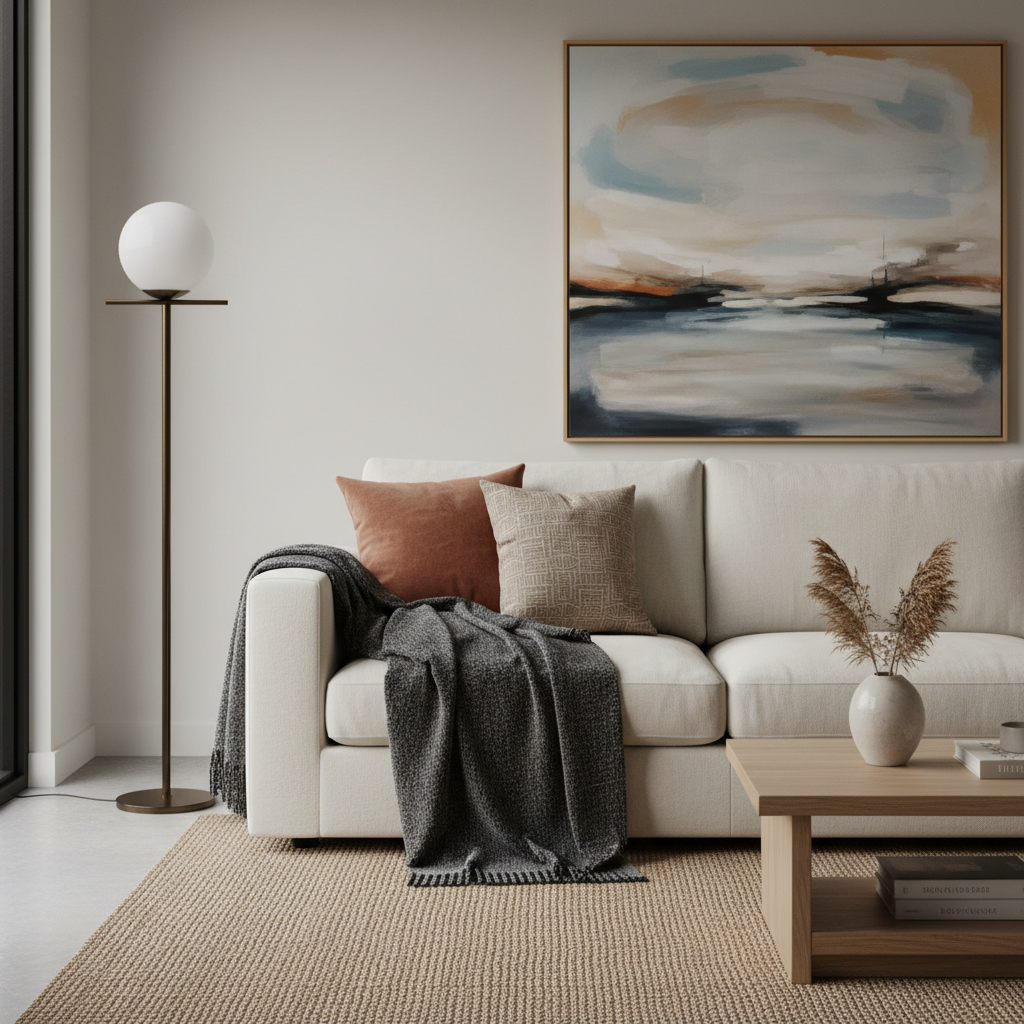
1. Earthy Colour Palettes Replace Cool Greys
Another clear shift in home staging trends is the move away from cool greys and ultra-crisp whites. The era of “millennial grey” is fading, replaced by earthy palettes that feel grounded and inviting, especially when paired with natural materials and soft texture.
Colour now plays a central emotional role. Buyers are drawn to tones that evoke calm, warmth and depth.
These palettes photograph beautifully and create stronger first impressions both online and in person, which helps property staging to create interest quickly.
Deep Blues and Moody Accents
While earthy tones dominate, contrast remains important. Deep blue accents, navy, midnight and rich teal, add calm sophistication.
Used strategically, moody tones anchor a space and elevate architectural presence. A deep blue armchair or feature wall can strengthen visual interest without limiting buyer appeal, particularly when it highlights existing architectural features like fireplaces, niches or built-in shelving.
Lighting is critical. Warm lighting enhances richness and prevents darker hues from feeling heavy.
Layered lighting softens shadows and maintains balance, and it can help a room feel warm even when using deeper tones.
How to Use Colour Strategically When Staging
The key in 2026 is restraint. Instead of repainting entire interiors, warmth can be introduced through soft furnishings, artwork and layered accessories, including art that reinforces the palette and adds personality.
Walls generally remain within a warm neutral family to maximise appeal. Accent walls should enhance architectural elements rather than dominate. Furniture and décor should reinforce, not compete with, the palette.
If a home has high ceilings, colour can be used to create scale and comfort, for example, by anchoring the space with darker accents and layered textures.
Ultimately, colour in 2026, it is about emotional comfort. Replacing millennial grey with earthy warmth creates a subtle psychological shift that makes properties feel more inviting and memorable.
2. Curved & Sculptural Furniture Takes Centre Stage
Curved and sculptural forms are another defining feature of home staging in 2026. After years of sharp, rigid layouts, interiors are softening, and interior design trends are favouring comfort-driven silhouettes.
Rounded forms feel relaxed and fluid. They break visual harshness and create movement without clutter.
In photography, curves add depth and help listings stand out. They also support a more social layout that better reflects real-life use of the home.
Sofas, Ottomans & Rounded Silhouettes
Curved sofas, circular ottomans and sculptural armchairs are emerging as key statement pieces. Rounded seating arrangements feel more social and inclusive than rigid layouts.
Circular coffee tables and curved consoles soften boxy rooms and make open-plan spaces feel more intimate. These forms pair beautifully with layered textures and earthy tones, creating a cohesive look without feeling staged.
Balance is essential. One or two curved elements create impact without overwhelming the space, and they can act as focal points that guide the eye.
Arched Doorways & Soft Geometry
Beyond furniture, soft geometry influences architectural styling. Arched doorways, curved mirrors and rounded shelving add character and flow, helping architectural elements feel intentional rather than purely structural.
Even without structural changes, styling can echo curved forms through décor and layout decisions. Subtle angling of furniture can improve circulation and visual interest, especially in narrower rooms or transitional spaces.
Arches also photograph beautifully, framing views and enhancing focal points, and they work particularly well when a home includes original architectural details that can be styled rather than hidden.
Why Curves Feel More Welcoming
Rounded shapes are subconsciously associated with safety and comfort. Sharp edges can feel formal, while curves feel approachable, which is why they resonate so strongly with buyers right now.
In staging, this matters. Buyers form impressions within seconds. Curved forms soften modern minimalism and support the broader move toward soulful interiors that tell their own story, rather than a generic showroom look.
In home staging trends, sculptural furniture is not decorative for the sake of the trend. It enhances emotional appeal and creates welcoming environments at first glance, while still supporting functional layouts and contemporary elements.
3. Layered Texture & Tactile Surfaces
If colour sets the mood, texture brings it to life. Home staging trends in 2026 favour layered, tactile surfaces over flat, glossy finishes, and this direction is strongly aligned with design trends.
Texture adds warmth and depth while supporting warm minimalism.
It also performs exceptionally well in digital listings, where close-ups can showcase material quality and create interest quickly.
Limewash, Plaster & Matte Finishes
Walls and cabinetry are shifting toward matte and plaster-like finishes. Limewash and textured surfaces introduce subtle tonal variation and reduce glare.
Matte cabinetry reads more contemporary than high-gloss alternatives. Textured tiles and stone surfaces signal craftsmanship and attention to detail.
From a photography perspective, matte finishes create refined images. Close-up shots of stone, timber and brushed hardware communicate material value effectively, particularly when paired with thoughtful lighting.
Linen, Sheepskin & Natural Textiles
Textiles are one of the easiest ways to introduce texture. Linen curtains, woven rugs and wool throws instantly warm a room.
Layering materials such as linen and velvet creates visual interest without clutter. Texture helps buyers imagine how the space feels, not just how it looks.
High-resolution photography captures this richness, enhancing online listing impact.
Blending Materials for Visual Depth
Blending materials such as wood, stone, leather and metal prevents spaces from feeling one-dimensional.
In kitchens and bathrooms, pairing matte cabinetry with brushed hardware and stone surfaces adds sophistication. In living areas, combining timber with textured upholstery and warm lighting creates balance.
Layered materials not only elevate emotional appeal but also communicate durability and value.
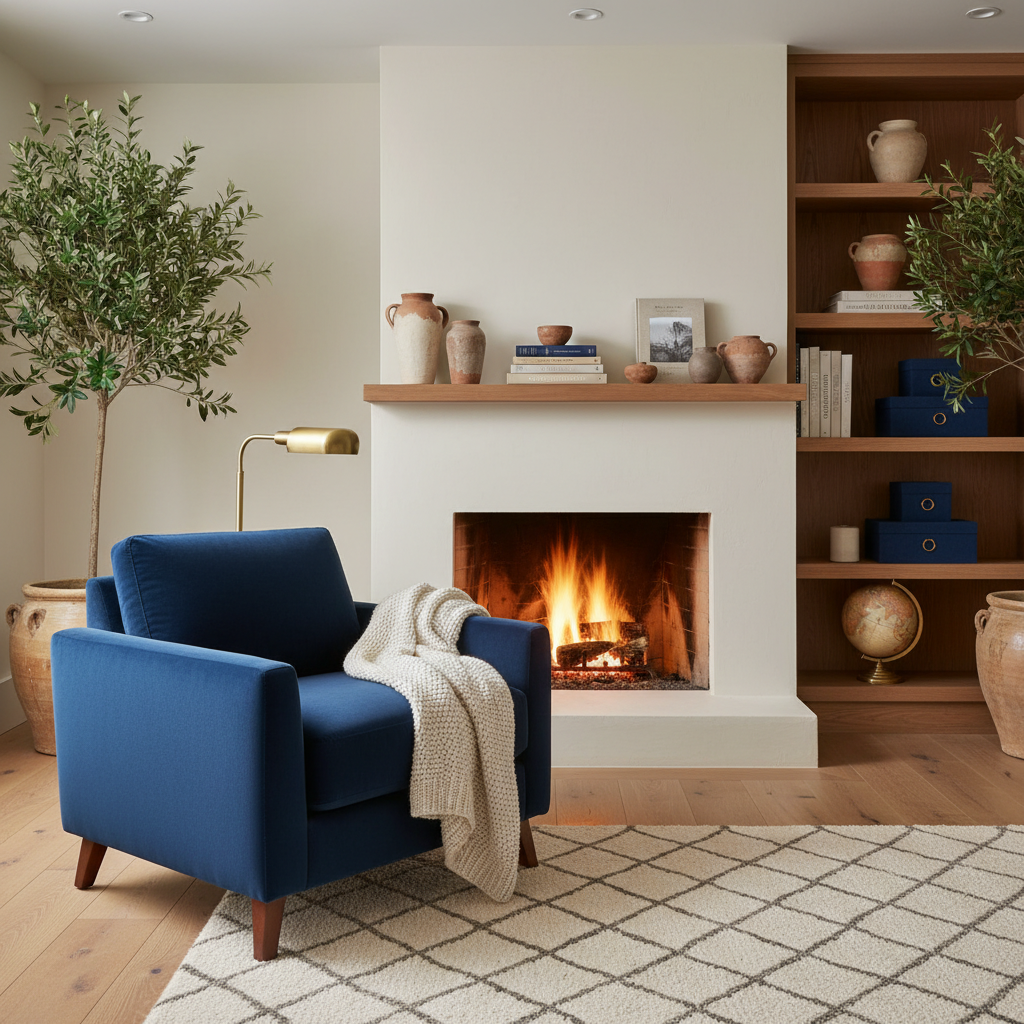
4. Natural & Sustainable Materials Buyers Expect
Sustainability is no longer optional in home staging trends in 2026. Buyers expect natural materials and durable finishes that feel responsible and lasting.
Natural elements signal authenticity and permanence. They suggest a home designed thoughtfully rather than styled temporarily.
Light Woods, Stone & Organic Finishes
Light-toned timbers such as oak and ash dominate contemporary staging. Paired with earthy neutrals, they create calm, cohesive interiors.
Stone surfaces introduce quiet luxury. Subtle imperfections add character and depth, reinforcing authenticity.
Brushed metals and aged finishes feel more timeless than high-shine chrome, particularly in kitchens and bathrooms.
Eco-Conscious Styling Signals
Sustainable staging relies on subtle cues. Real greenery, natural fibre rugs and solid timber furniture all reinforce environmental awareness.
Buyers increasingly associate natural materials with healthier living. Warm lighting enhances this effect and strengthens emotional comfort.
When sustainability aligns with aesthetics, it builds trust.
Vintage & Repurposed Elements
Vintage and repurposed pieces add storytelling and emotional permanence. A restored console or reclaimed dining table introduces character that mass-produced furniture cannot replicate.
Balanced with modern pieces, these elements create contrast without overwhelming a space.
Natural and sustainable materials in 2026 communicate durability, authenticity and thoughtful design. In competitive markets, that perception can make a measurable difference.
Still Need Help? Contact Furniture Fitouts for Expert Advice Today!
Navigating home staging trends in 2026 requires more than simply following what is popular; it calls for thoughtful execution, balance and an understanding of what today’s buyers truly respond to.
From warm minimalism and earthy palettes to layered texture and natural materials, every styling decision should enhance emotional connection and perceived value.
If you’re preparing a property for sale and want to ensure your space feels refined, inviting and market-ready, our team at Furniture Fitouts can guide you with tailored, strategic staging solutions designed for today’s market.